
Published February 16, 2024
Budgeting for Homeownership

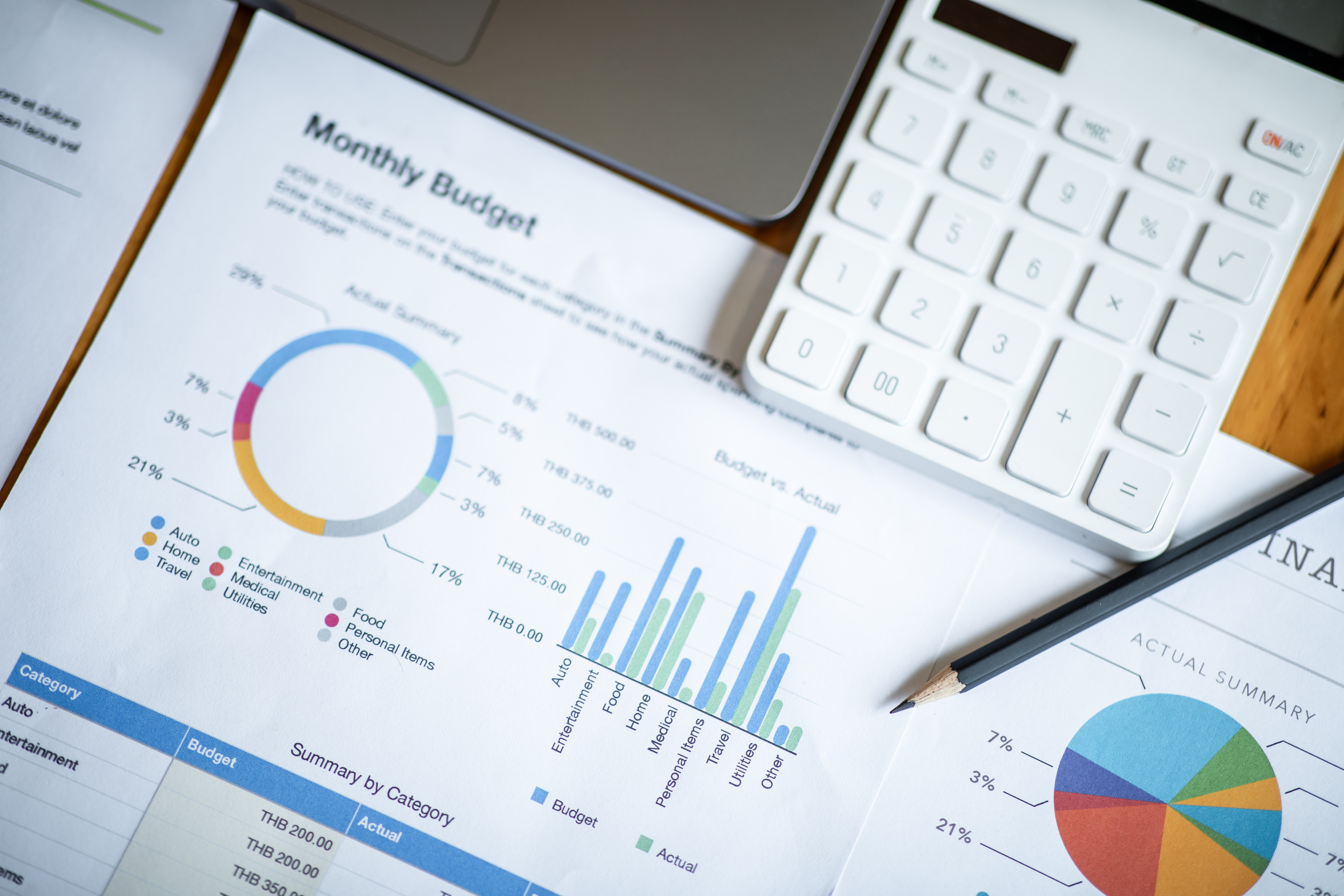
Are you nervous about buying a house because you’re unsure if you can afford it? There’s no way to know if you don’t see what you’re currently spending.
Budgets get a bad rap. Some people feel they restrict spending and take unreasonable time to create. Yes, the upfront effort can be work. But, once you’ve laid out your cash flow, you may find that you can spend more freely, knowing where your dollars are going. This can lead to confidence in managing your money, achieving financial goals, and reducing financial stress in the long run.
We know there are upfront costs associated with buying a house. The two big ones are the down payment and closing costs. But what about ongoing costs like insurance, taxes, and utilities? It’s essential to build these into your plan as well. Understanding the total cost of homeownership will help you better plan and position yourself for a successful future, and that’s where budgeting comes into play.
Here’s a breakdown of the ongoing expenses to include in your monthly budget:
Homeowners Insurance:
Protect your investment with homeowners insurance. Rates vary based on location, home value, and coverage, so get quotes from multiple providers to find the best deal. Check out this guide from Bankrate about homeowners insurance: https://www.bankrate.com/insurance/homeowners-insurance/first-time-homebuyer-insurance/
Property Taxes:
Understand the property tax rates in your area and check if there are any upcoming changes or reassessments. Property taxes can significantly impact your monthly expenses. This is a helpful overview of property taxes from the City of Grand Rapids: https://www.grandrapidsmi.gov/Directory/Guides/Property-Tax-Payments-and-Policies#section-1
Home Maintenance:
Plan for regular maintenance tasks such as lawn care, HVAC servicing, and gutter cleaning. Setting aside a portion of your budget for maintenance helps avoid unexpected costs. This link gives a good idea of how much to set aside: https://www.statefarm.com/simple-insights/residence/how-to-budget-and-save-for-home-maintenance
HOA Fees:
If your home is part of a homeowners association (HOA), factor in monthly or annual fees. HOA fees can cover amenities, landscaping, and community services. Make sure you understand what your HOA fee covers and what you are responsible for.
Internet and Cable:
Research internet and cable service providers in your area. Compare plans and choose one that meets your needs without overspending.
Utilities:
Electricity and Gas: Estimate the average monthly cost based on the size of the home, climate, and energy efficiency. Consider energy-efficient appliances and practices to lower costs. At the Ginger Baxter Group, we can help you access past utility bills to establish a good baseline for your budget.
Water and Sewer: Research local rates and estimate monthly usage. Fixing leaks and using water-efficient appliances can help save money.
Trash and Recycling: Find out the local service providers and their charges for waste removal.
Home Security:
Consider security system costs for monitoring and equipment. This can sometimes lead to a lower homeowners insurance premium. Read more about a potential deduction at this link: https://www.bobvila.com/articles/home-insurance-discount-for-security-system/
Appliance and Furniture Costs:
If the home doesn't come fully furnished, budget for necessary appliances and furniture. Prioritize essentials and gradually add non-essential items.
Emergency Fund:
Build an emergency fund for unexpected expenses. This can include repairs, medical emergencies, or job loss. Great resource to get started on your emergency fund is at this link: https://www.fool.com/the-ascent/banks/emergency-fund-calculator/
To budget effectively:
Create a comprehensive monthly budget that includes all anticipated expenses.
Differentiate between fixed and variable costs.
Prioritize necessities and allocate funds accordingly.
Regularly review and adjust your budget as needed.
If you're planning to buy a home for the first time, it's essential to budget your finances properly. By creating a comprehensive budget, you can better understand your financial capacity, identify areas where you can save money, and plan for the long-term responsibilities of owning a home.
Buying a home for the first time can be pretty daunting, but don't worry, we're here to help! Our team of experienced real estate professionals is ready to help guide you through the process. Contact us and turn your real estate goals into reality!